
What is Blockchain
Understanding blockchain as a decentralized digital ledger with real-world examples
At its heart, a blockchain is a system for storing information that cannot easily be altered, thanks to distributed control and advanced cryptographic processes. It enables transparent, trusted records shared by everyone on the network. Volatile investment. Results may vary.
Contact usHow Blockchain Works
A blockchain is composed of blocks—bundles of data linked together securely, with every new block building upon the last. Even a small change can be spotted instantly.
Every participant keeps a copy of the whole chain. Consensus across these copies helps prevent tampering, making the integrity of the shared data easier to trust in practice.
Because no single person or group is in charge, blockchains are resistant to manipulation or failure. However, assets in these systems remain volatile and may lose value over time.
Blockchain for Everyday Use
Beyond digital assets, blockchain can provide transparency in supply chains, voting systems, or record-keeping, all without a single entity controlling everything. Each participant is responsible for verifying data, which can minimize errors or fraudulent actions, though total security is not fully assured. Whether you’re paying a fee to move an asset or receiving a reward for confirming a transaction, these everyday mechanisms reveal the potential of blockchain as well as its risks. Results may vary.
Blockchain in Action
See practical examples in daily life
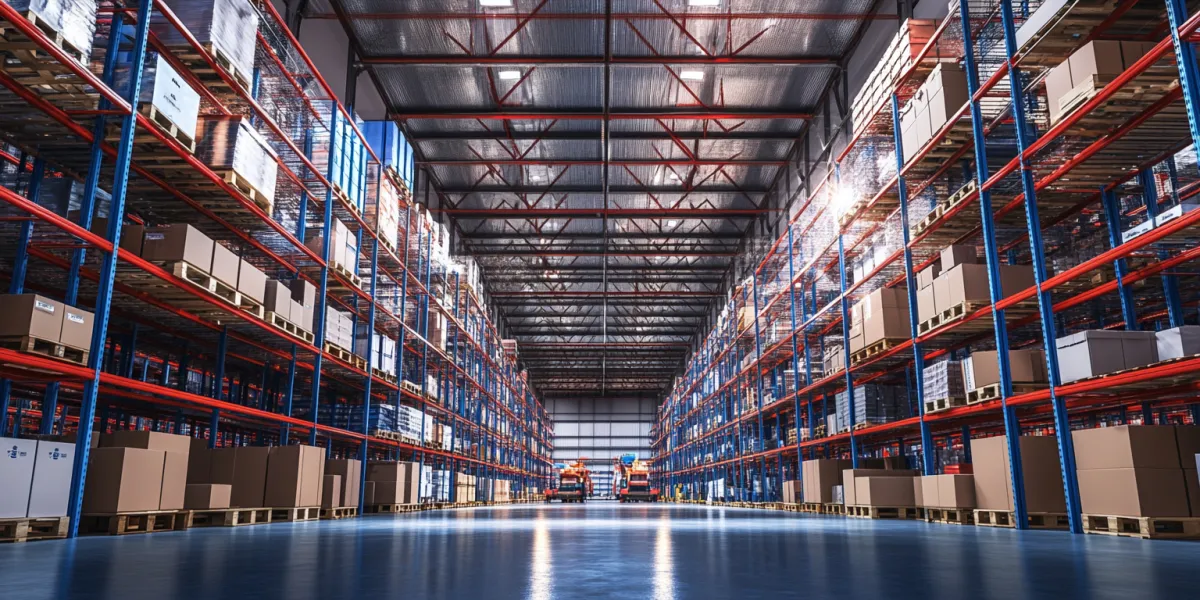
Supply Chain Transparency
Tracking supply chain with blockchain
Secure Voting
Voting system using blockchain

Health Records Security
Blockchain for digital health records
Global Payments
Sending cross-border payments securely
Why Network Fees Matter
Network or gas fees are part of nearly every transaction. They are required to reward those verifying network activity and to prevent spam or abuse. These fees vary greatly, depending on network demand and technical complexity, and sometimes discourage smaller transactions due to their cost. It’s important to remember that network fees don’t guarantee faster service. In highly active networks, fees can quickly escalate, highlighting the need for practical fee management and awareness. Volatile investment. Results may vary.
Your Key Takeaways
A blockchain is a decentralized ledger, where every participant can verify transactions, creating greater transparency, but not total safety.
Coins are typically the native digital assets operating on their own blockchain, while tokens exist on established networks, supporting different activities or projects.
Network fees are essential—they reward verification and discourage spam, but these costs are unpredictable and can rise with demand.
No process is entirely risk-free; blockchain assets carry significant volatility and can lose value, so careful consideration is always recommended.
Practical use cases exist, from streamlining supply chains to bolstering secure record keeping in sectors across Malaysia.
All information is presented for general awareness only. Newcomers should always conduct thorough research before engaging with blockchain systems.


Beginner Benefits with Elastivora
Simple language, honest explanations, and local examples for exploring blockchain confidently
No-nonsense content for beginners
We strip away jargon and hype to make blockchain concepts straightforward and easy to follow.
Context tailored for Malaysians
Stories and examples are drawn from Malaysia and global cases, increasing relevance and understanding.
Careful approach to volatility
We openly state the risks of blockchain investments—these assets may lose value, so research is essential.